
How Curt Cignetti Built Indiana From 100/1 to Back-to-Back Favorites: The 5-Stage Blueprint
We packed a row of crimson Replica jerseys this morning — first time since April that the Heisman-era Mendoza stock has not been the only thing sitting on the rack. The label printer has been running again because Indiana is back on the betting board, and on the betting board, Indiana is a problem. Here is the warehouse take on what Curt Cignetti has actually built, and why every program in the country is drawing up notes from it.
The arc is fast enough that it sounds made up. August 2024: Indiana opens the season at 100/1 to win the national title. 2025: the Hoosiers go 26-1, beat Miami 27-21 in the national championship game, and lose only twice across the Cignetti era — a 23-7 regular-season loss to Ohio State and a first-round CFP exit to Notre Dame. 2026: they re-open the season at +900 to repeat, tied with Georgia, behind Ohio State (+600), Notre Dame (+700), Texas (+775), and Oregon (+800). Cignetti is now 26-2 at Indiana. The program had not won a bowl game since 2007. That sentence took sixteen years to write.
Stage 1 — The Portal Reset
Indiana was one of the first Power programs to fully embrace the NCAA transfer portal as a recruiting weapon, not a damage-control mechanism. Cignetti's pitch to incoming transfers is direct and repeatable: "We'll develop you for the NFL." It is not a slogan. It is the recruiting meeting. The 2025 class ranked top-15 nationally on most services, and the majority of it was assembled in the portal rather than out of high school. When the next roster cycle opened, the same motion produced the next top-15 class. The model is not fragile to a single recruiting class because no single recruiting class is carrying it.
Stage 2 — The NIL Infrastructure
Indiana built the Crimson Coalition NIL collective early and built it big. The Crimson Coalition raised $20M+ in year one, which puts Indiana in a tier of programs that fund roster construction like an NFL practice squad. The competitive advantage nobody talks about is geographic: Indianapolis has the Colts, but Indianapolis college football and the Indianapolis Colts do not compete for the same wallet the way NFL and college loyalties collide in New York, Los Angeles, or Dallas. The Crimson Coalition has a clean donor pool that no professional franchise is tapping. Most NIL collectives do not have that clean lane.
Stage 3 — The Analytics-Forward Staff
Cignetti brought in an NFL-style analytics shop. The Indiana offensive staff now works off pre-snap motion rates, success rate, and leverage index — the same vocabulary that NFL game-planning departments use every Sunday. The empirical fingerprint shows up on the broadcast: Indiana runs more pre-snap shifts than any other program in the Big Ten. The shifts are not decoration. Each shift is wired into a probability-based read for the quarterback and a leverage load for the defense. Other college programs hire an analytics director and call it a stage. Indiana hired a staff and built the stage.
Stage 4 — The Mendoza Doctrine
Fernando Mendoza — the Cal transfer who became Indiana's 2025 starter — won the Heisman, threw for 3,800 yards and 38 touchdowns, and is the projected No. 1 pick in the 2026 NFL Draft. None of that is the doctrine. The doctrine is what the staff did before any of it was possible: Mendoza was developed like a senior from day one, even when he was a freshman in the room. The reps, the install, the practice script, the meeting cadence — all of it was written as if the freshman were already the starter in week eight of the upcoming season. By the time Mendoza was the starter, he had already lived through a full senior cycle of preparation. That is the doctrine. It is reproducible. It does not require a Heisman winner.
Stage 5 — The Reload Mentality
This is the stage the betting market is about to test. The new quarterback is Josh Hoover, the TCU transfer who left Fort Worth already past 9,000 career passing yards. Cignetti told Yahoo Sports, plainly: "Josh Hoover's won a lot of football games, thrown a lot of touchdown passes for a lot of yards. We have a lot of confidence in him." That is not coach-speak. That is the doctrine applied to the next face of the room. The system does not break when the quarterback leaves. The system is the reason the next quarterback walks into a senior-level playbook on day one.
The Part Other Programs Keep Missing
Here is the framework any program can steal, and the part that is the actual moat. Any athletic director can copy Stages 1 through 5 — the portal pitch, the NIL collective, the analytics shop, the senior-cycle QB development, the reload calendar. Every Big Ten front office has a binder with the same five slides. The discipline to execute all five in concert — same staff, same offseason, same three-year window — is what the binder does not have. Other programs pick one stage, usually the portal or the NIL checkbook, and assume the single stage will cover the gap. Indiana picked all five, ran them in parallel, and ran them again the next year. The binder is free. The execution is the cost.
Where to Get the Indiana Jersey
Shop the Indiana Range
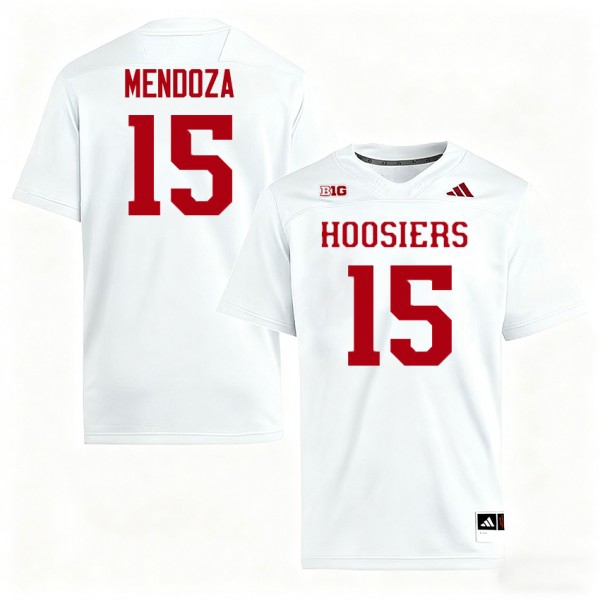
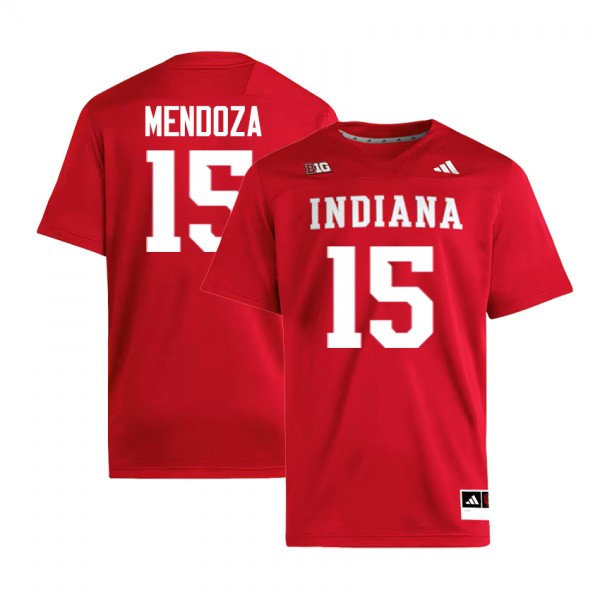
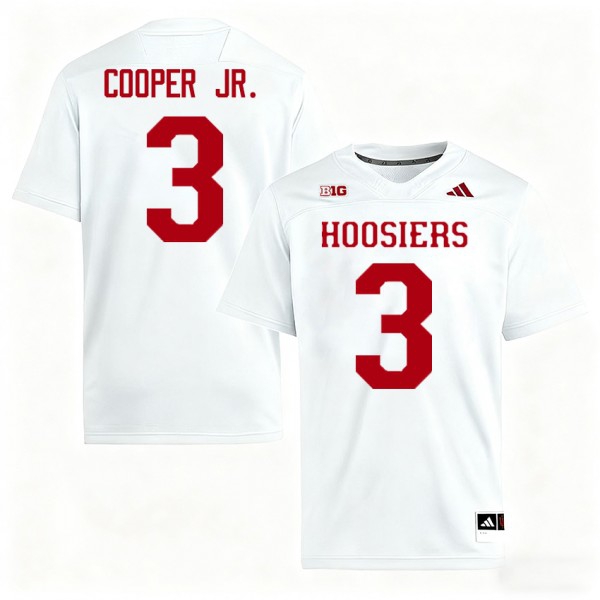
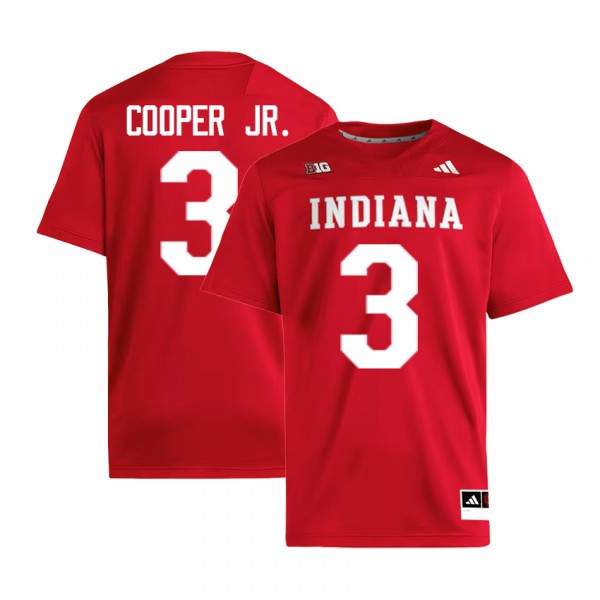


The 26/27 Hoosiers Replica catalog is live and the rack is full this morning. Browse the Indiana Hoosiers collection for the home crimson, the road white, and the alternates. If you are buying for the other two title contenders we cover — Ohio State and Oregon — jump to the Ohio State Buckeyes and Oregon Ducks pages. The full NCAA collection has every team in this preview in Replica and Fan Edition cuts.
For the longer arc, our Indiana national championship repeat piece from September 1 has the full Heisman-era Mendoza breakdown, and the 2026-27 season preview covers every other contender in the title bracket.
Questions Everyone Is Asking
Who is Curt Cignetti?
Curt Cignetti is the head coach of the Indiana Hoosiers football program. He took over a program that had not won a bowl game since 2007 and rebuilt it across three seasons into the 2025-26 national champions. He is now 26-2 at Indiana and the architect of the +900 repeat line for 2026-27.
How did Indiana win the 2025-26 national championship?
Indiana went 26-1 across the 2025-26 season and beat Miami 27-21 in the national championship game. Fernando Mendoza won the Heisman with 3,800 passing yards and 38 touchdowns. Cignetti's only regular-season loss was 23-7 to Ohio State; the only postseason loss was a first-round CFP exit to Notre Dame.
What are Indiana's title odds for 2026-27?
Per the Fanatics Sportsbook opening line from July 2026, Indiana is tied with Georgia at +900 to win the 2026-27 national title. Ohio State leads the board at +600, followed by Notre Dame (+700), Texas (+775), and Oregon (+800).
Who replaces Fernando Mendoza as Indiana's quarterback?
Josh Hoover, the TCU transfer who left Fort Worth with more than 9,000 career passing yards, is the new Indiana starter. Cignetti told Yahoo Sports that Hoover "has won a lot of football games, thrown a lot of touchdown passes for a lot of yards," and that the staff has full confidence in him. Mendoza is the projected No. 1 pick in the 2026 NFL Draft.
Five stages. Three years. One Heisman. One title. The Hoosiers are back on the rack this morning because the warehouse got the memo. Print the table and pack the cooler — Saturday is closer than it looks.
— ProSportsKit